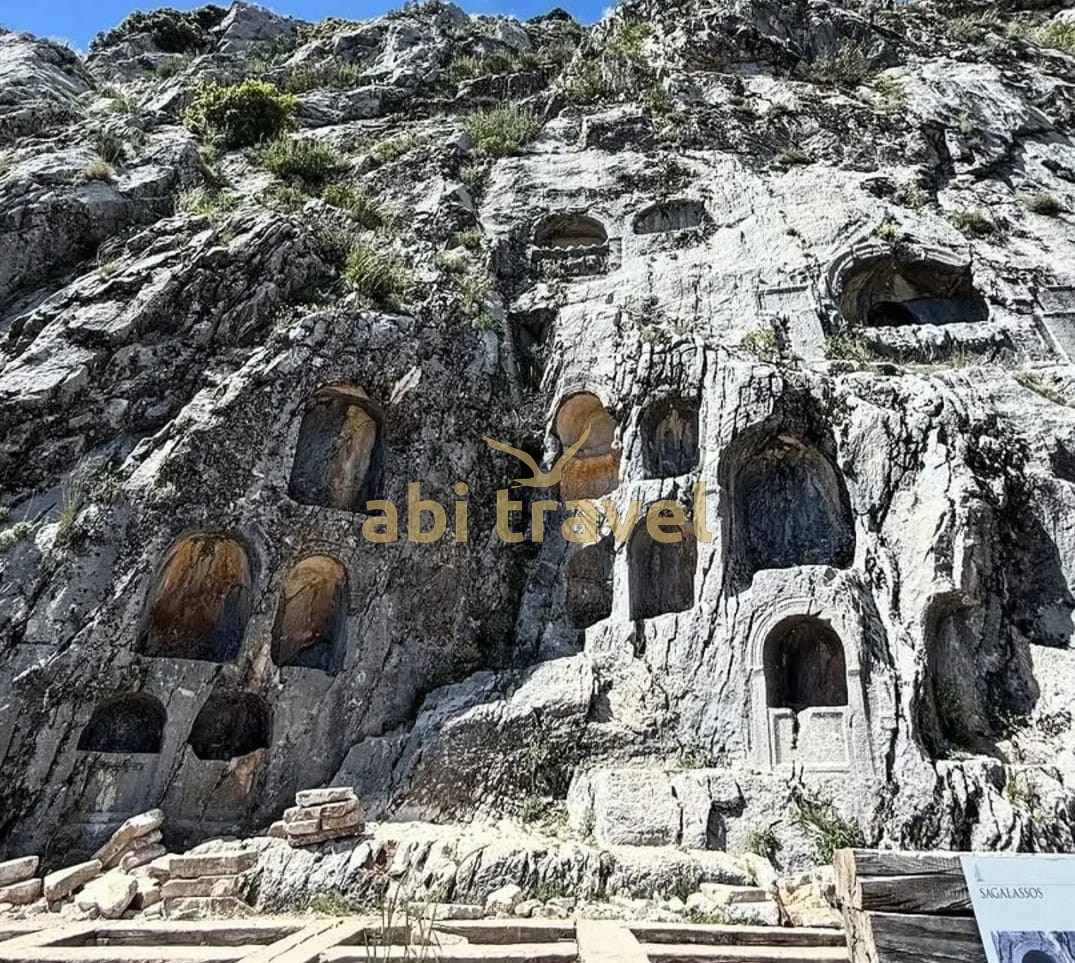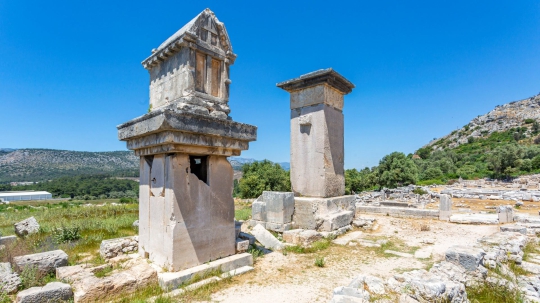

The ancient city of Sagalassos is located in the Ağlasun district of Burdur. Built on the slopes of Mount Akdağ, the city is situated at an altitude of 1500–1700 meters above sea level.
During the Roman period, it was one of the most important cities in the Pisidia region. The vast majority of structures found in Sagalassos date back to the Roman period.
The oldest traces of settlement in the city date back 12,000 years. Life in the city ended in the early 13th century AD when the Seljuks destroyed the last Byzantine military stronghold.
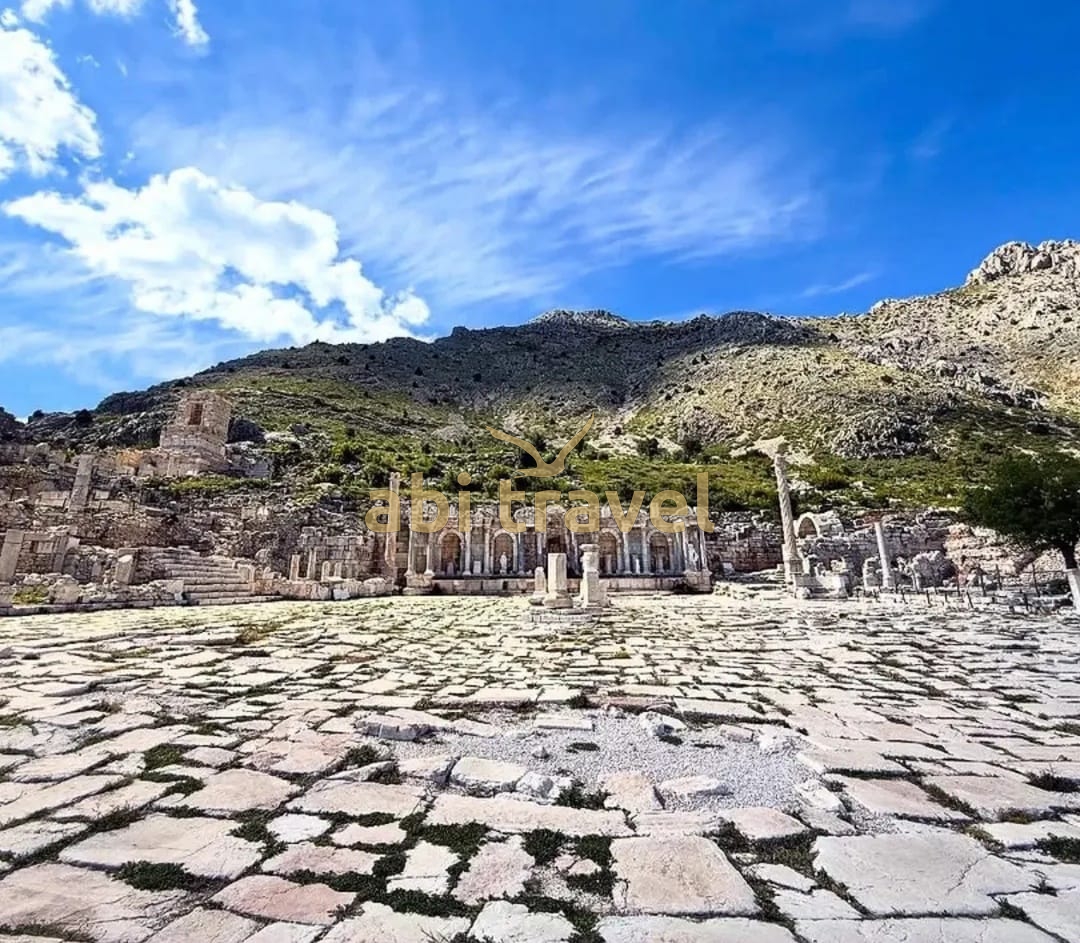
Sagalassos is one of the best-preserved ancient cities in Anatolia. Upon entering the city, one encounters the courtyard and halls of a city hall the size of a palace.
The lower part of the city is dominated by the large Roman Imperial Baths. Around the lower agora are the remains of the agora fountain, the Temple of Apollo Klarios, and the Hadrian Fountain.
Around the upper agora, many monuments have been unearthed and restored.
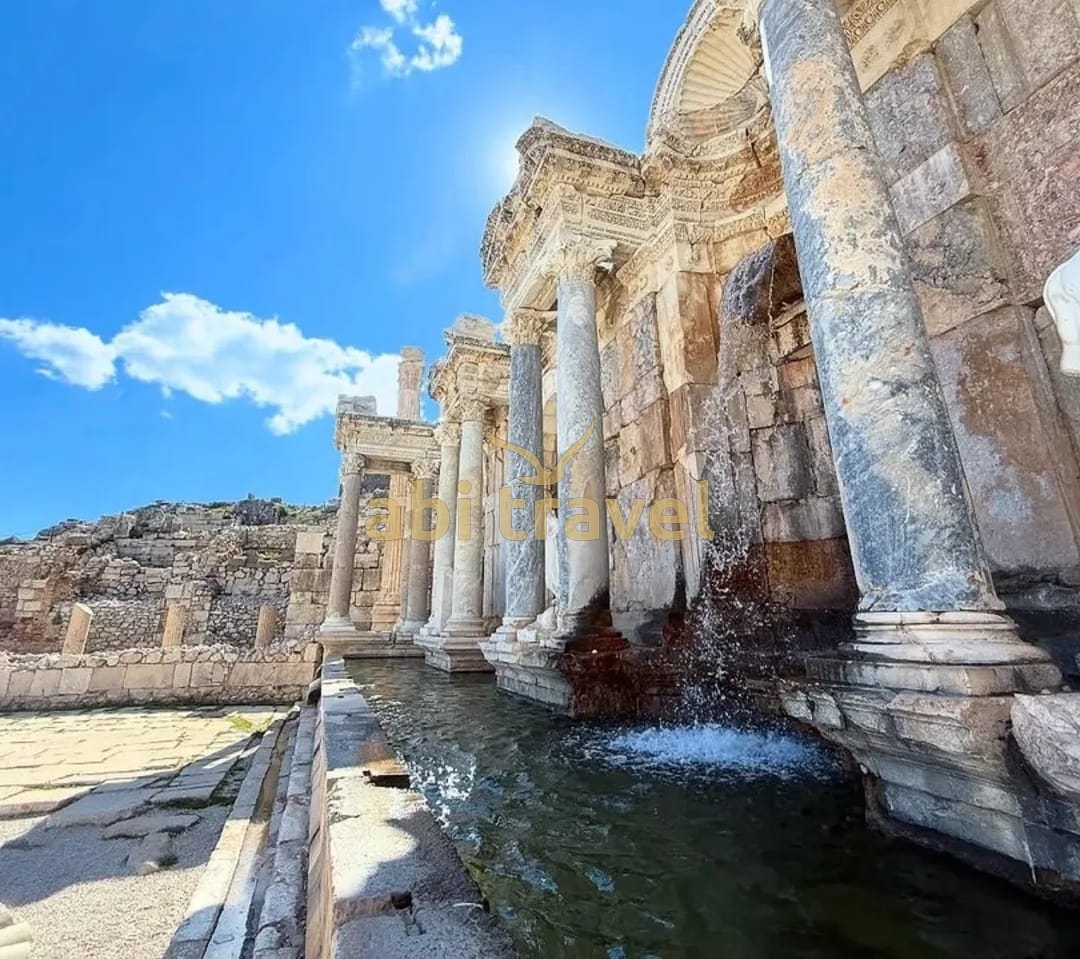
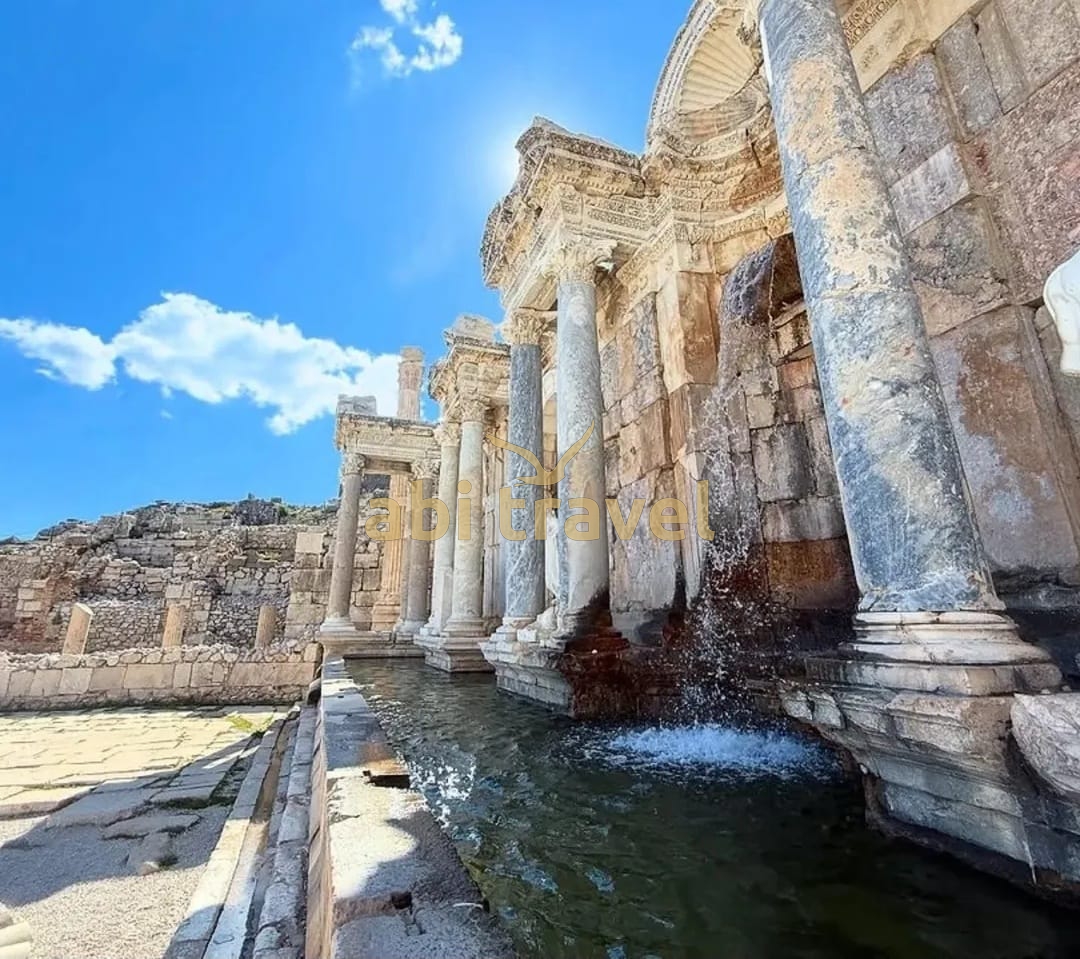
The most prominent structure in the city is the Antoninus Fountain, whose waters still cascade today. Among the ruins, the two monumental arches opening onto the city square, the honorary columns rising at the four corners of the agora, the town hall, the city council building, the church, and the Heroon, known for its reliefs of dancing girls, are noteworthy.
The remains of the city's ancient library and theater have also survived to the present day.
Many artifacts unearthed during excavations at the Sagalassos archaeological site are exhibited in the Burdur Museum.
The city, which was the center of ceramic production for the longest period in antiquity, has been nominated for inclusion in the UNESCO World Heritage List and was added to the UNESCO World Heritage Tentative List in 2009.